
Cat Flu: The Sniffles, The Stigma, and Why It Shouldn’t Stop You from Adopting

If you’ve been browsing our adoption pages or social media and spotted the words “cat flu carrier” on a profile, you might have hesitated. We get it - flu sounds scary. But here’s the thing: cat flu is one of the most misunderstood conditions in the feline world, and some of the most wonderful, loving, perfectly adoptable cats are carriers.
so, what actually is cat flu?
Cat flu is the common name for a highly contagious upper respiratory infection. It’s usually caused by one or both of two viruses: Feline Herpesvirus 1 (FHV1) and Feline Calicivirus (FCV).
One thing worth knowing: despite the name, cat flu isn’t related to the human influenza virus at all. It’s caused by entirely different viruses, which means you can’t pass your flu to your cat, and they can’t pass theirs to you. Cat flu is completely species-specific, so there’s nothing to worry about on that front.

what does cat flu look like?
Symptoms can range from mild to more noticeable, and there’s no specific “flu season” - flare-ups are most often triggered by stress. Here’s what to watch for:
Sneezing (sometimes very cute, sometimes very snotty)
Runny nose or watery eyes
Squinting or swollen eyes
Coughing or breathing difficulties
Loss of appetite
A sore mouth or tongue
Fever
If your cat is showing any of these signs, a trip to the vet is always a good idea.
let's talk about the stigma
Here’s where we need to have an honest conversation. Once a cat contracts cat flu, the virus stays in their system for life. Much like the human cold sore virus, it can lie dormant and flare up during times of stress — a house move, a stay in a cattery, or a bout of illness.
This is where the stigma creeps in. People hear “carrier for life” and picture a permanently unwell cat. That couldn’t be further from the truth. With the right care and a low-stress, loving home, carrier cats live long, happy, completely normal lives. Many carriers rarely show symptoms at all.
The one thing to remember: if your cat is a carrier and you ever need to use a cattery or boarding facility, do let them know. It’s the responsible thing to do, and it helps protect other cats during what can be a stressful time for everyone.
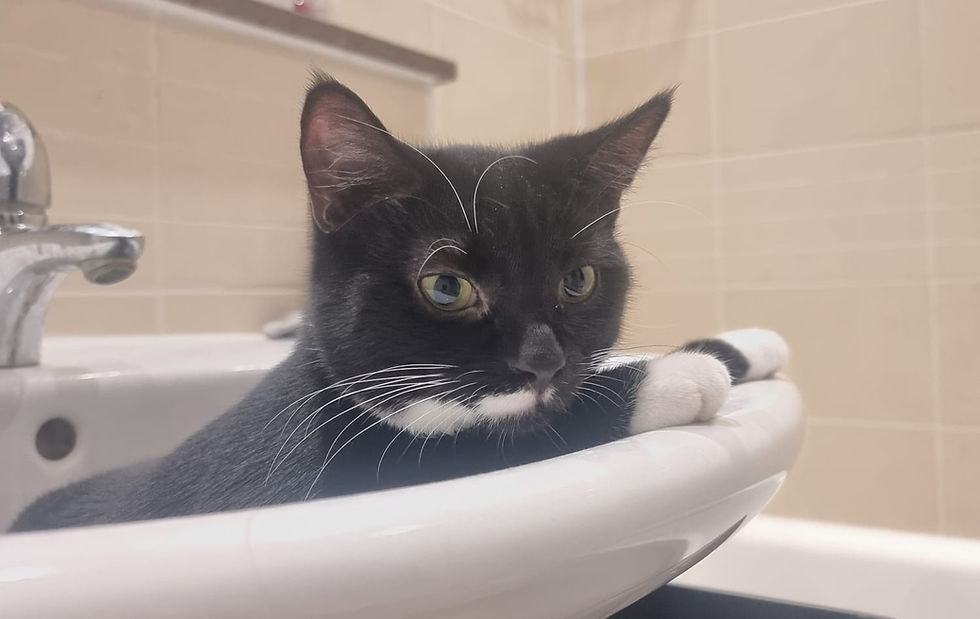
My cat has cat flu - what do i do?
First, don’t panic. Cat flu often resolves on its own, and treatment is mostly about supportive care:
Keep their face clean. Gently wipe away any discharge from their nose and eyes. Encourage eating and drinking. Warming up food slightly can help tempt a cat who’s lost their appetite, a blocked nose means they can’t smell their dinner as well. Stay in touch with your vet. They may prescribe anti-inflammatories, decongestants, or eye drops to ease symptoms. Antibiotics aren’t usually needed (it’s a virus, after all), but your vet might prescribe them if a secondary bacterial infection is suspected.
can i prevent cat flu?
Yes, vaccinations are available and we’d always recommend them. Your cat will need two initial doses, typically three to four weeks apart, followed by regular boosters.
A vaccine won’t guarantee your cat never catches cat flu, and it can’t reverse symptoms in a cat that’s already a carrier. But it does significantly reduce the severity of symptoms if your cat is ever exposed. Think of it as giving their immune system a head start.
And if your cat is already a carrier, keeping up with regular vaccinations still matters. It won’t undo their carrier status, but it will help minimise their symptoms if a flare-up ever happens - so don’t skip those boosters just because they’ve already been exposed.

but i already have a cat - can i still adopt a carrier?
Often yes. Plenty of multi-cat households include carrier cats without any problems.
There are just a few things to keep in mind:
Make sure your existing cat is vaccinated and up to date on boosters. Vaccination won’t guarantee complete protection, but it significantly reduces the severity of symptoms if they’re ever exposed.
During a flare-up, keep them separated if you can. Use separate food bowls, water, litter trays, and bedding - and wash your hands between handling each cat.
Minimise stress for both cats. Stress is the main trigger for flare-ups, so a calm, gradual introduction and a settled home environment go a long way.
Consider an indoor home. Because stress is the main trigger for flare-ups, cats with previous exposure to cat flu are best placed in an indoor home with a controlled environment and a predictable routine. A calm, stable setting helps keep flare-ups to a minimum.
Talk to your vet. They can advise based on your existing cat’s health, vaccination status, and any specific risks.
It’s also worth knowing that cat flu is extremely common - many cats have already been exposed at some point in their lives, especially if they spent time in a shelter or multi-cat environment. So don’t let a carrier status put you off adding to your feline family.
the bottom line
A cat flu carrier is not a sick cat. They’re a cat with a history - and honestly, aren’t those the best ones? At London Inner City Kitties, some of our most affectionate, characterful, ready-to-love cats happen to be carriers. They just need a warm home, a patient human, and the occasional tissue.
Written by Bex
How Can You Help Us?
L.I.C.K is a volunteer run charity, no one gets paid!
Every donation big or small allows us to do our work and care for all our cats and kittens.
All donations go towards medical costs.


Colorful tracks, competitive races, and perfectly timed boosts give KartBros a playful racing atmosphere, while drifting through tight corners and reacting to rival drivers adds enough skill and unpredictability to keep every lap exciting.
I appreciate the push to reframe cat flu carriers as adoptable, but calling it "flu" might still do damage—most people hear "contagious" and picture human influenza.
<a href="https://image2-5.org/
">image 2.5</a>
If it's usually herpesvirus flare-ups, wouldn't clearer language about latency and stress triggers help adopters more than just asking them not to hesitate?
I agree the stigma around cat flu carriers is overblown, but the article made me wonder about multi-cat homes: if a carrier has a flare-up, how do you weigh.
<a href="https://nano-bananapro.com/
">nano banana pro</a>
that against resident cats, especially seniors or those with weaker immune systems? That practical caveat seems worth discussing alongside adoption.
I always assumed a cat flu carrier meant ongoing misery, but this piece makes it sound more like managing feline herpes flare-ups—comparable to other chronic but manageable conditions.
<a href="https://nano-banana2.com/
">nano banana 2</a>
It reframed the stigma for me, though I’d still want to know how stress and shelter life affect those flare-ups.
Una página bien estructurada puede facilitar bastante la consulta del resultado loteria. Cuando las fechas están visibles y las cifras se presentan claramente, resulta mucho más sencillo comprobar la información y compararla con publicaciones anteriores.